Batteries
Batteries are widely used across campus in multiple forms. Rechargeable lithium-ion (Li-ion) and lithium polymer (LiPo) batteries are commonly used in consumer electronics like cell phones, tablets, laptops, power tools, and electronic cigarettes. Lead-acid batteries power automobiles; alkaline, lithium, silver oxide, nickel-cadmium (NiCd), nickel-metal hydride (NiMH), and many other types exist. Many types can power the same equipment, but their safety and disposal considerations vary. Recognizing these differences and associated hazards is crucial when working with batteries—for example, lithium-ion and lithium batteries are very different despite their similar names. Research on battery technology is active on campus as new and improved batteries continue to be developed.
Battery Basics
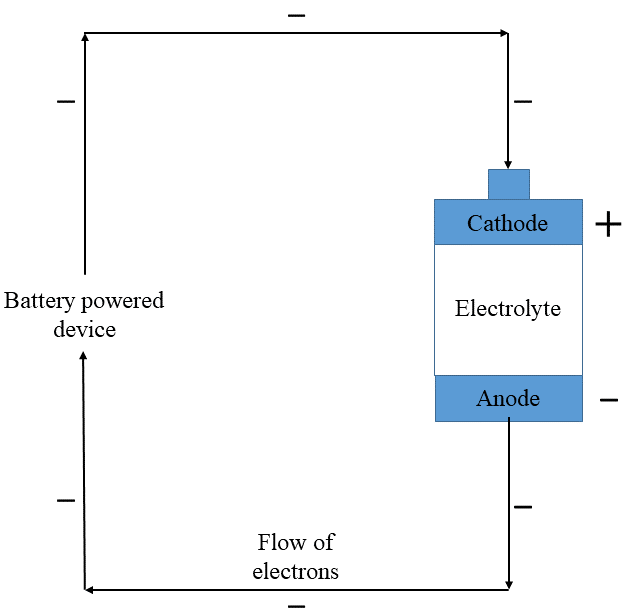
Batteries are portable devices containing electrochemical cells that power electrical equipment. They consist of a positively charged cathode, a negatively charged anode, and a conductive electrolyte containing anions and cations, separated into two half-cells. One half-cell contains a negative electrode and electrolyte; the second includes the positive electrode and electrolyte. A redox reaction occurs at opposite ends of the cell, allowing electrons to flow out of the negative end and into the electrical device, while the electrolyte carries charge between the electrodes.
The chemicals used in the anode, cathode, and electrolyte vary, which creates the wide variety of batteries available along with a wide variety of hazards.
Primary and Secondary Batteries
Batteries are classified as primary or secondary.
- Primary batteries are designed to be used until their energy is spent, then disposed of. The chemical reaction is not reversible, so they are not rechargeable. Examples include alkaline, lithium (metal), silver-oxide, and zinc-carbon batteries.
- Secondary batteries are designed to be recharged and used multiple times. Their chemical reaction can be reversed by applying electric current to the cell (e.g., charging your cell phone), regenerating the original chemical reactants for reuse. Examples include lithium-ion and lithium polymer, lead acid, nickel-cadmium, and nickel-metal hydride batteries. During charging, the roles of the anode and cathode are reversed.
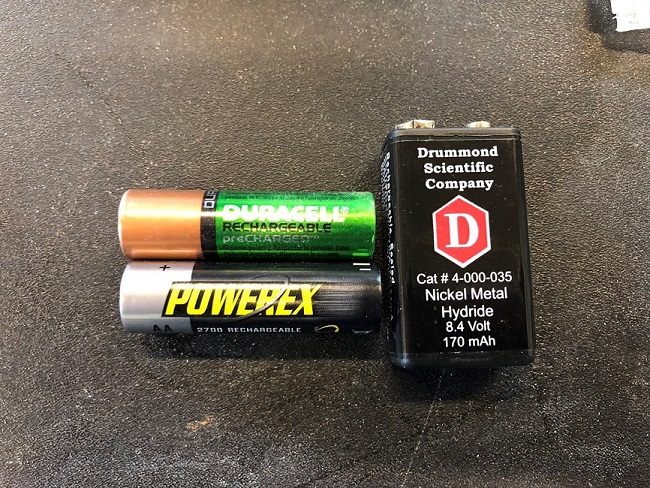
Lithium-Ion vs. Lithium Metal Batteries
It is important to note the difference between lithium-ion and lithium metal batteries. Despite similar names, the chemistry varies greatly, and they have unique hazards. Lithium metal batteries are primary; lithium-ion batteries are secondary.
In lithium-ion batteries, the cathode contains lithium-based compounds (lithium cobalt oxide, lithium iron phosphate, lithium nickel manganese cobalt oxide, etc.) while the anode is graphite. The electrolyte is an organic medium like lithium perchlorate in ethylene carbonate. No elemental lithium is present.
In lithium batteries, lithium metal is the anode and another chemical is the cathode (e.g., manganese dioxide). The electrolyte is an organic medium like lithium perchlorate in propylene carbonate.
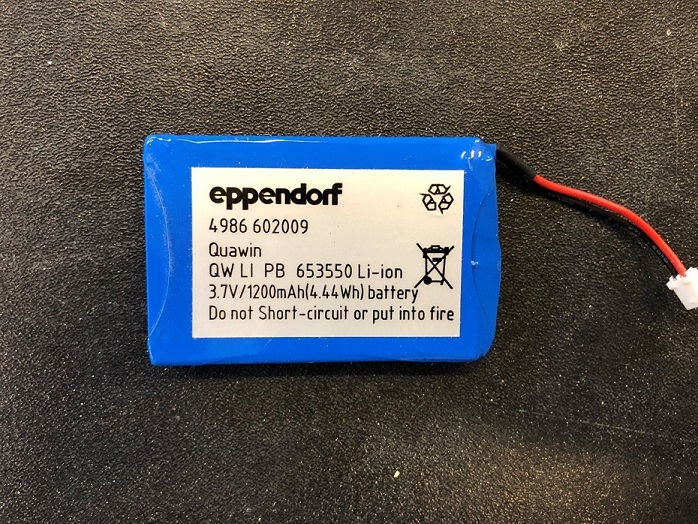
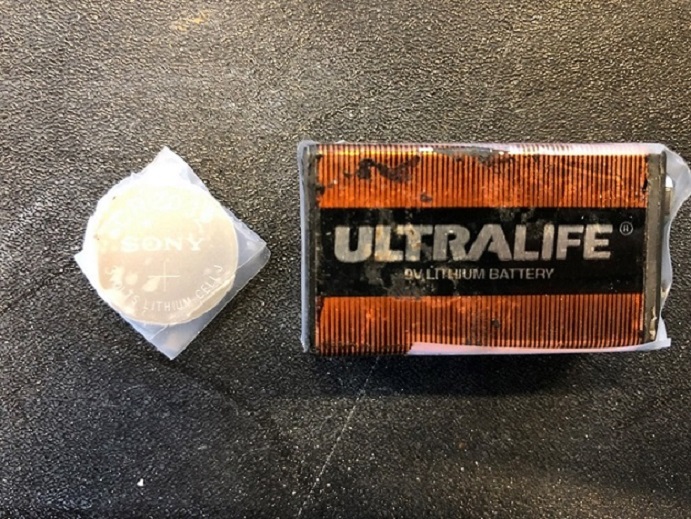
It is important to know which sort of battery you are working with. Due to the presence of elemental lithium, the fire hazard differs from lithium-ion batteries.
Lithium-Ion and Lithium Polymer Batteries
In recent years, lithium-ion and lithium polymer (Li-Po) batteries have become widespread in their use and applications. Multiple incidents involving lithium-ion batteries have been documented by the media (e.g., cell phone battery fires), often resulting from manufacturing defects. Lithium-ion battery failures have caused fires on campus and at other universities, many caused by misuse.
Lithium-ion and lithium polymer batteries are widely used in consumer electronics and across campus in cellphones, power tools, laptops, and drones. Due to the similarities between lithium-ion and lithium polymer batteries, similar handling should be considered during charging and use.
Lithium-ion battery packs found in consumer electronics (e.g., laptops) contain an internal Battery Management System that controls the charging process. Be aware of situations that can lead to battery damage, such as physically damaging the device or storing it in a hot environment. Using the charger provided with the device and following the manufacturer's requirements requires no additional input from the user.
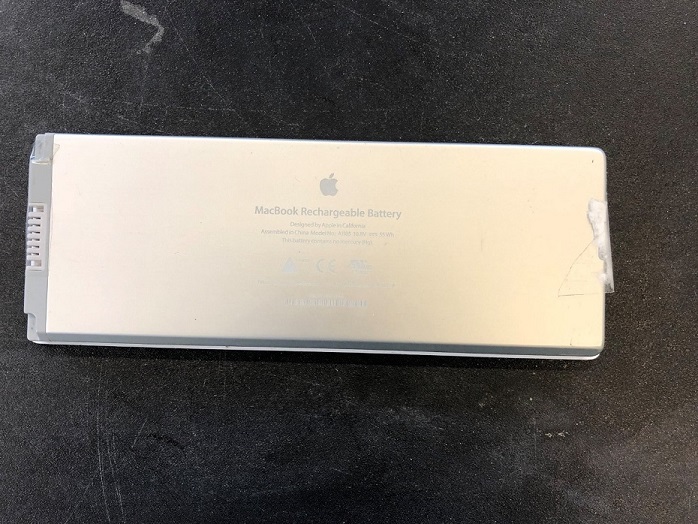
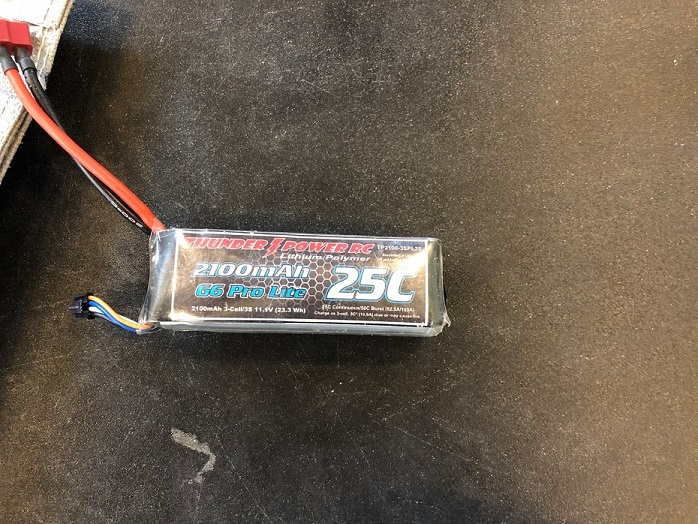
Lithium-Ion Best Practices
When handled correctly, the risks of an incident involving a lithium-ion or LiPo battery are low. Follow your group's Laboratory Safety Plan and Standard Operating Procedures (SOPs) when working with batteries. Follow these recommendations when developing your group's SOPs:
- Purchase batteries from reputable manufacturers and suppliers. Batteries should be certified to meet the safety requirements of a consensus-based safety standard. Examples include Underwriter's Laboratory (UL) 1642 Standard for Lithium Batteries and the International Electrotechnical Commission (IEC) 61960.
- Always follow the manufacturer's information supplied with the battery, including recommended storage requirements (such as temperature and voltage, e.g., an 11.1 V three-cell battery pack stored at 40% charge measured with a meter) and charging requirements.
- Only use a charger that is rated for your lithium-ion or LiPo battery. The nominal cell voltage of a typical cobalt-based lithium-ion battery is 3.60V/cell, with a maximum charge voltage of 4.2V and discharge at 3.0V.
- Avoid overcharging or over-discharging the battery, as this can stress it and lead to failure. Overcharging can cause the cathode to become unstable, producing carbon dioxide and eventually leading to failure and possible fire.
- Use a fire retardant battery bag (e.g., LiPo-Guard) when charging or storing batteries. Never leave a charging battery unattended, and take action if anything out of the ordinary is observed (e.g., bulging). When using a battery pack, ensure your charger can monitor individual cells so no one cell becomes overcharged.
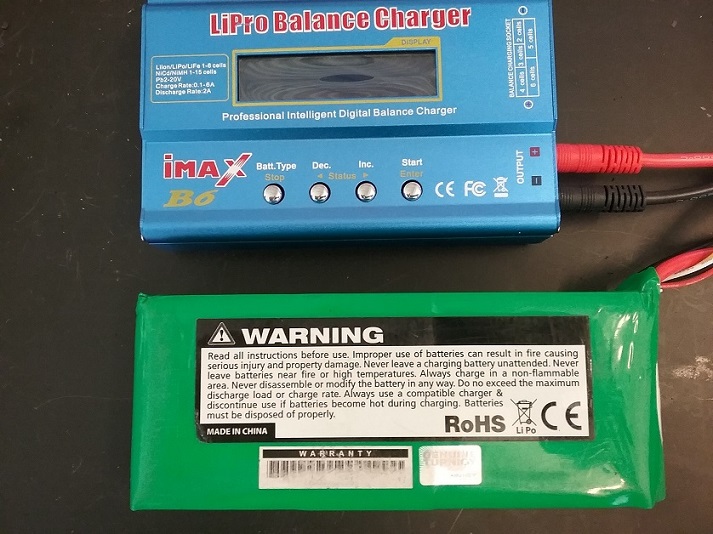
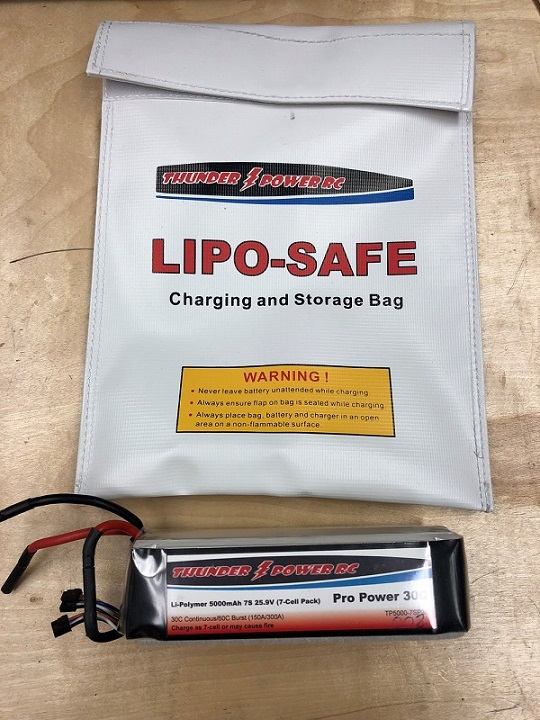
Be aware that your battery may differ from the parameters stated above. You should always follow the parameters for your battery.
When storing batteries for more than a few days, store the battery at 40% charge or follow the manufacturer's instructions. Many chargers have a storage mode that will either charge or discharge a battery to the recommended storage voltage. It should be kept in a cool, dry place. Storing a battery at too high or low a temperature can cause irreversible damage. Ideally, batteries should be stored near 15°C (~59°F) to help prolong battery life. Batteries can typically be used at extreme temperatures (-20 to 60°C), but storing batteries in these conditions should be avoided. Use a fire retardant battery bag for storage when possible, and do not store them near flammable materials or heat sources. Protect the terminals during storage with an electrically insulating material (e.g., rubber caps). Storing multiple batteries together could cause a short circuit if the terminals come into contact.
Lithium-Ion and LiPo Battery Failure
Lithium-ion battery cells contain a metal oxide at the cathode (e.g., lithium cobalt oxide), graphite at the anode, and a solvent containing a lithium salt (e.g., lithium perchlorate or lithium hexafluorophosphate in ethylene carbonate) as the electrolyte. The solvent in the electrolyte is flammable and is the source of lithium-ion battery issues. Little to no elemental lithium is present in lithium-ion batteries. Lithium-ion battery packs (such as those used in laptops) include multiple cells. The Department of Energy illustrates how a lithium-ion battery works here.
When handled correctly, the risk of a fire is low. Misuse of lithium-ion batteries is what typically leads to failure, including thermal abuse, mechanical damage, and electrical abuse.
- Thermal Abuse
- The result of storing or using a battery outside of its recommended temperature range.
- Mechanical Abuse
- The result of physically damaging a lithium-ion battery, including dropping, crushing, vibrations, and water damage.
- Electrical Abuse
- Mismanagement of the recommended electrical conditions, including overcharging or over-discharge and using the incorrect charger for the battery.
Many of these scenarios can lead to the internal plastic separator between the anode and cathode becoming damaged, allowing them to come into direct contact. This creates elevated temperature in the battery cells and generates gases from the electrolyte.
As gas (oxygen) and heat are generated by the battery, you may notice the cell starting to bulge or swell. If left unchecked, this can lead to thermal runaway in the cell, continuing to heat and generate more gas. Eventually, the gas can rupture the cell. With elevated temperature, flammable electrolyte, and oxygen, a fire can occur.
A further complication when multiple cells are present is the potential for a chain reaction. A fire from one cell's failure can damage a neighboring cell, which can ignite independently of the first cell. This can occur during the original fire, shortly after the first cell burns out, or even hours later.
Lithium-Ion and LiPo Battery Swelling
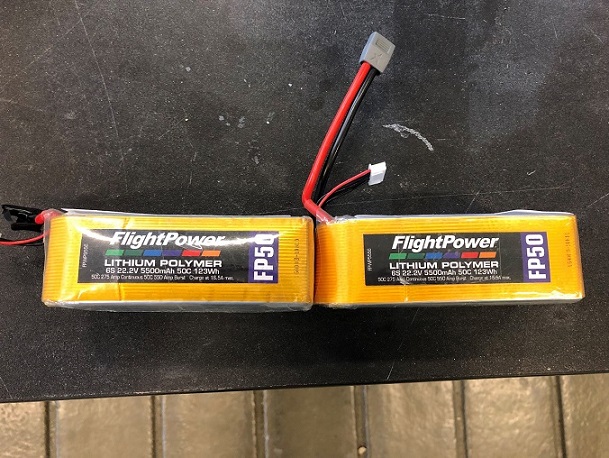
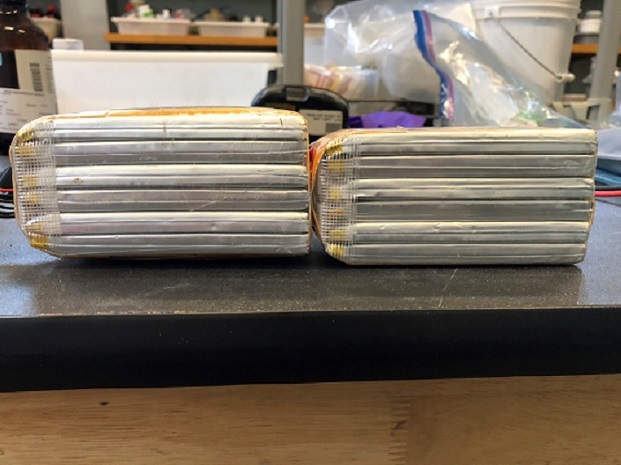
If you notice bulging/swelling, punctures, or the battery has suffered damage due to any abuse (even with no visible damage), follow these steps:
- Don appropriate PPE (eye protection, gloves, lab coat).
- Place the battery in a bucket (metal or hard plastic).
- Place the bucket away from any flammable materials or heat sources.
- Fill the bucket with a salt water solution to discharge the battery.
- Notice bubbles starting to form in the salt water solution.
- Allow the battery to sit in the salt water solution to fully discharge (at least 3 days).
- Remove the battery from the solution, dry it, and check the voltage using a multimeter. It should read near 0 V.
- If the voltage is still too high, repeat the above steps and check it again.
- After the battery has been fully discharged, protect the terminals with tape and request the battery for disposal through DRS. Use UI# 7580 for lithium-ion and UI# 205346 for LiPo.
Indicate in the waste pickup notes that this was a damaged battery that was fully discharged prior to disposal.
Lithium-Ion and LiPo Battery Fires
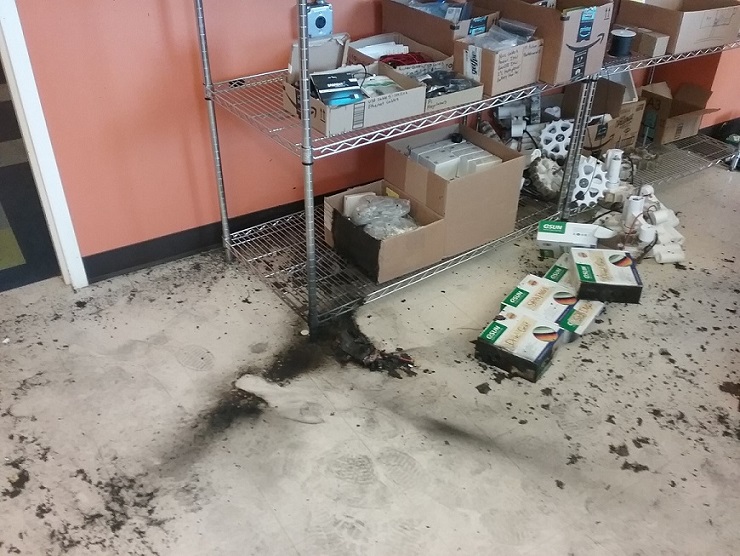
Be aware of the potential gases present during a lithium-ion battery fire. Carbon monoxide and dioxide can be released, as can gases from the decomposition of lithium hexafluorophosphate, including hydrogen fluoride (HF) gas.
DRS offers Fire Extinguisher training. Personnel trained in fire extinguisher use may attempt to extinguish a fire if it is safe to do so. Remember that lithium-ion and LiPo batteries do not contain lithium metal; the solvent in the electrolyte burns during a lithium-ion battery fire. A standard ABC Dry Chemical or Carbon Dioxide fire extinguisher is suitable for small lithium-ion battery fires. Smothering the battery with sodium bicarbonate can also extinguish a small lithium-ion battery fire.
Battery Disposal
Request unwanted batteries for disposal through the DRS Waste Management App. DRS will recycle batteries whenever possible. Lithium metal, lithium-ion, and lithium polymer batteries must have their terminals (or connections) protected during shipment to prevent short circuits; non-conductive tape can be used for this purpose.
Batteries should be separated and requested for disposal by type. You may add like batteries to a zip lock bag or box and request them as one item with weight in total pounds (not to exceed 35 pounds). Use one of the following UI#s when requesting your batteries for disposal:
- UI# 7575 - Alkaline Batteries
- UI# 7602 - Lead-Acid Batteries
- UI# 7580 - Lithium Metal Batteries
- UI# 9111 - Lithium-Ion Batteries
- UI# 205346 - Lithium Polymer Batteries
- UI# 5230 - Mercury Batteries
- UI# 9109 - Nickel Metal Hydride Batteries
- UI# 150207 - Zinc-Carbon Batteries
If your batteries are not listed above, please select UI# 1 and specify the type of battery in the Waste Description field.